- GEO is the work that makes AI assistants mention and cite your business when people ask them for recommendations.
- AI answers rely on search indexes and on what other sites say about you, so SEO is the base of GEO.
- Clear answer-first pages, facts with numbers, schema markup and mentions on other sites raise the chances of being cited.
- Measure by asking the same questions in ChatGPT, Gemini and Perplexity every month and by AI referrals in Google Analytics.
Contents 7 sections
Generative engine optimization (GEO) is the work that makes AI assistants such as ChatGPT, Gemini, Perplexity, Microsoft Copilot and Google AI Overviews mention your business in their answers and link to your site. When someone asks "which agency builds Shopify stores for small brands" or "best roofer near me", the assistant reads pages from the web and names a few businesses. GEO raises the chances that yours is one of them.
How do AI assistants choose which businesses to mention?
Assistants with web search work in two steps. First they search an index, such as Google's, Bing's or their own, for pages related to the question. Then the model reads the top results and writes an answer, citing the sources it used. Three things decide whether your business appears.
- Whether your pages are found. If your site is not indexed or ranks nowhere for the topic, the assistant does not read it.
- Whether your pages answer the question clearly. A page that states what you do, for whom, at what price and in what time is easy to quote.
- What other sites say about you. Review sites, directories, lists of top providers, forums and news articles confirm that you exist and are recommended.
What should you do on your own website?
- Put the answer first. Start each service page and article with a direct one or two sentence answer to the main question, then the details. AI models quote such paragraphs as they are.
- Use questions as headings. "How much does a kitchen remodel cost in Austin?" matches how people phrase questions to an assistant.
- Give facts with numbers. Prices or price ranges, timelines, service areas, years in business and what is included. Vague marketing language gives a model nothing to cite.
- Add schema markup. Organization or LocalBusiness, Service, Product, FAQPage and Article markup describe your business in a format machines read without guessing.
- Keep business facts consistent. The same name, services, prices and contact details on every page and every profile.
- Let AI crawlers in. Check robots.txt for blocks on OAI-SearchBot, ChatGPT-User, PerplexityBot, ClaudeBot and Bingbot. Blocking them removes you from their answers.
- Consider llms.txt. A short file that summarizes your site for AI tools. It is a proposed standard, cheap to add, and some tools read it.
What should you do outside your website?
AI assistants trust businesses that other sources mention. This part takes the longest and matters the most for competitive questions.
- Reviews. Google reviews, and reviews on Yelp, Trustpilot, Clutch or the platforms of your industry. Assistants often summarize them.
- Directories and profiles. Google Business Profile, Bing Places, Apple Business Connect, industry directories and associations, all with consistent details.
- Lists and comparisons. "Best X in Y" articles on other sites are a common source for recommendation answers. Ask to be included where it fits.
- Community answers. Helpful answers on Reddit, Quora and industry forums, written as a real expert rather than as ads.
- Bing Webmaster Tools. Verify the site and submit the sitemap. Several AI tools rely on Bing's index, and Bing supports IndexNow for fast indexing of new pages.
How do you measure GEO?
There is no official ranking report for AI answers, so measure in two ways.
- Prompt checks. Write down ten to twenty questions your customers would ask an assistant, such as "who installs solar panels in Phoenix". Ask them in ChatGPT, Gemini and Perplexity every month, and record whether you are mentioned, how and who is named instead.
- AI referral traffic. In Google Analytics 4, look at traffic from chatgpt.com, perplexity.ai, gemini.google.com and copilot.microsoft.com. ChatGPT adds utm_source=chatgpt.com to many of its links, which makes those visits easy to find.
Also watch your brand searches in Google Search Console. People who hear about you from an assistant often search for your name before visiting.
How does GEO differ by type of business?
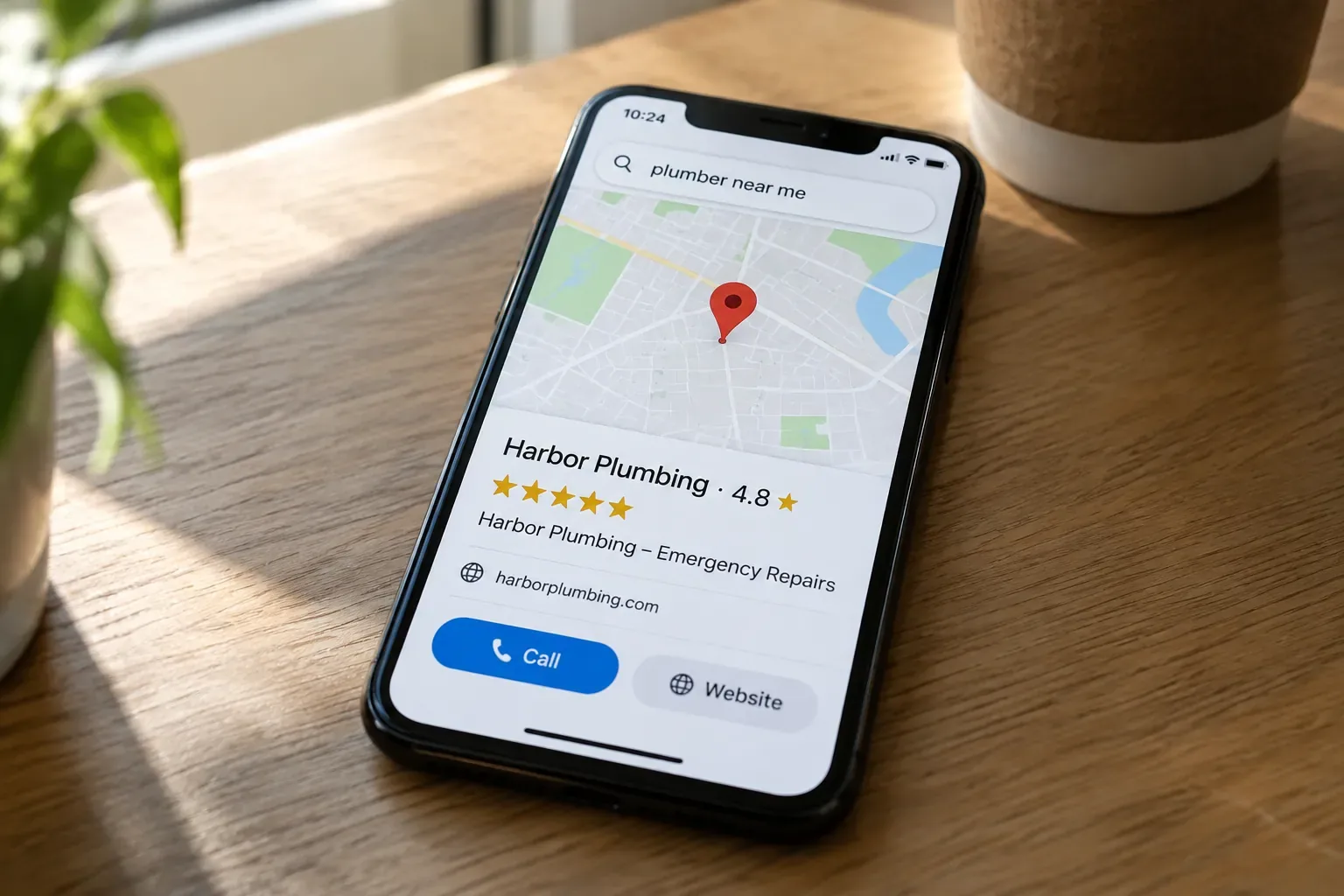
- Local services. Assistants answering "best dentist near me" lean on Google Business Profile, Bing Places, Apple Maps, reviews and local directories. Profile details and reviews matter as much as the website.
- Online stores. Product questions are answered from product pages, comparison articles and review sites. Complete product data, Product schema, honest comparisons and a feed in Google Merchant Center help products appear, including in shopping answers.
- B2B and professional services. Buyers ask for providers with specific experience. Case studies with concrete details, clear service pages with prices or ranges and mentions in industry publications and directories such as Clutch carry the most weight.
What does not work?
- Hidden text or prompts aimed at AI models on your pages. Search engines treat this as spam.
- Mass-produced pages that repeat the same text with a different city or keyword.
- Fake reviews and self-written "best of" lists on sites you control. Models and search engines discount them, and they can hurt trust.
How do we handle GEO?
We run GEO together with SEO, because the same pages and the same signals serve both. Our GEO work includes answer-first copy, schema markup and llms.txt, mentions of your company on other sites and a monthly check of what ChatGPT and Gemini say about you. SEO and GEO management costs $100/mo, and the price stays low because our own AI platform does the routine work while we check the results.
Questions and answers
Is GEO different from SEO?
GEO builds on SEO. AI assistants with web search pull pages from search indexes, so a site that is not indexed or ranks nowhere is rarely cited. GEO adds work on how pages answer questions, how the business is described across the web and how AI tools can read the site.
Which search index does ChatGPT use?
ChatGPT search uses several sources, including Bing's index and OpenAI's own crawler. That is one reason to verify your site in Bing Webmaster Tools and to allow OAI-SearchBot in robots.txt.
Can you pay to be recommended by ChatGPT?
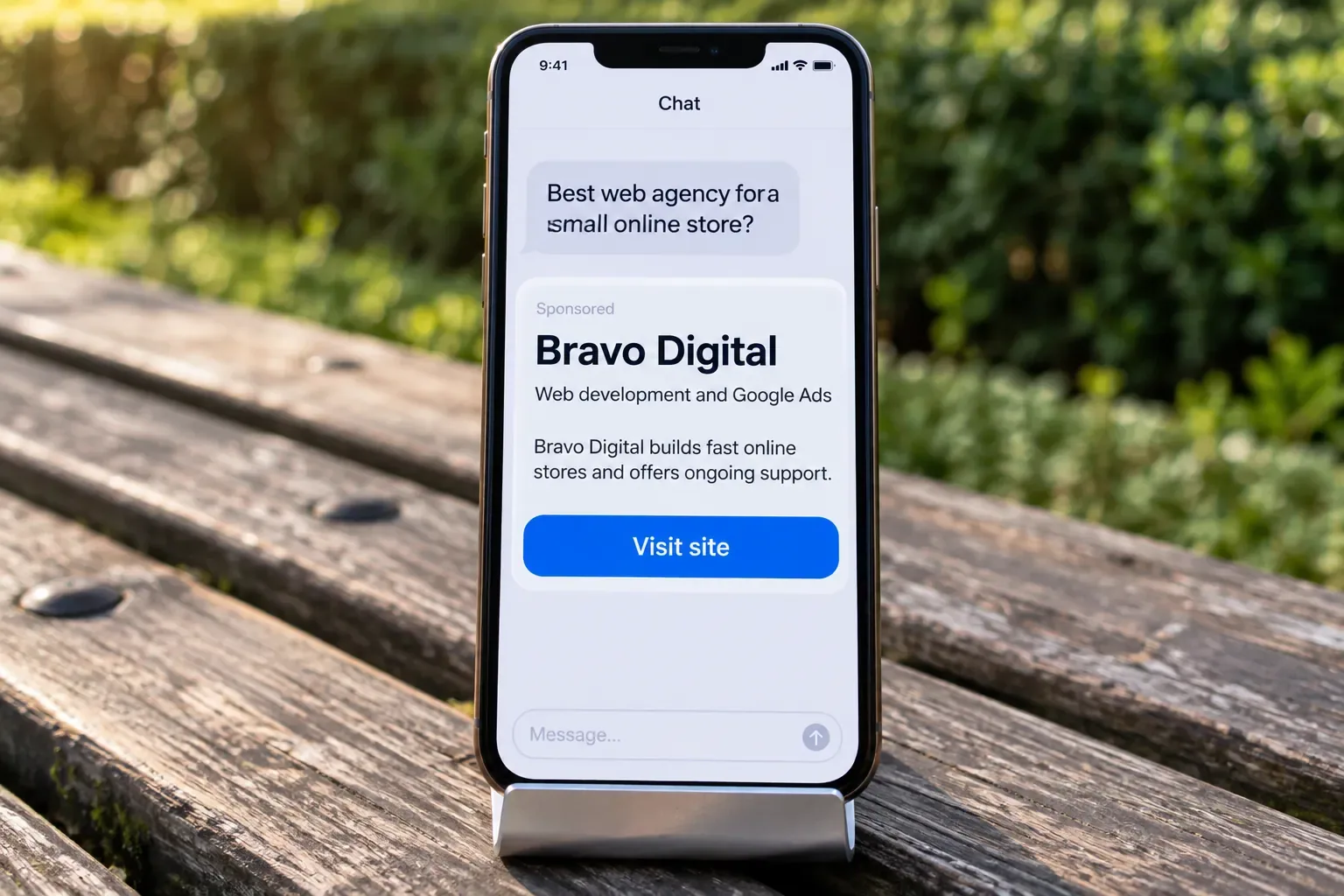
Organic answers cannot be bought. ChatGPT has a separate ads program where sponsored placements are labeled. The organic answer depends on what the model finds about your business on your site and on other sites.
How long does GEO take to show results?
Changes to your own pages can show up in AI answers as soon as the pages are crawled again, often within weeks. Mentions on other sites and reviews take longer to accumulate, usually several months.
Thank you. Share the article with someone who needs it.
Tell us what was missing in the article and we will reply. Ask a question